10 Best Account Based Marketing Tools With Landing Page Personalization in 2026


TL;DR: Which ABM Landing Page Tool Should You Choose?
- Prismic is the best fit if you want deep personalization at scale—from 1:1 strategic accounts to hundreds of ABM pages—without developer support.
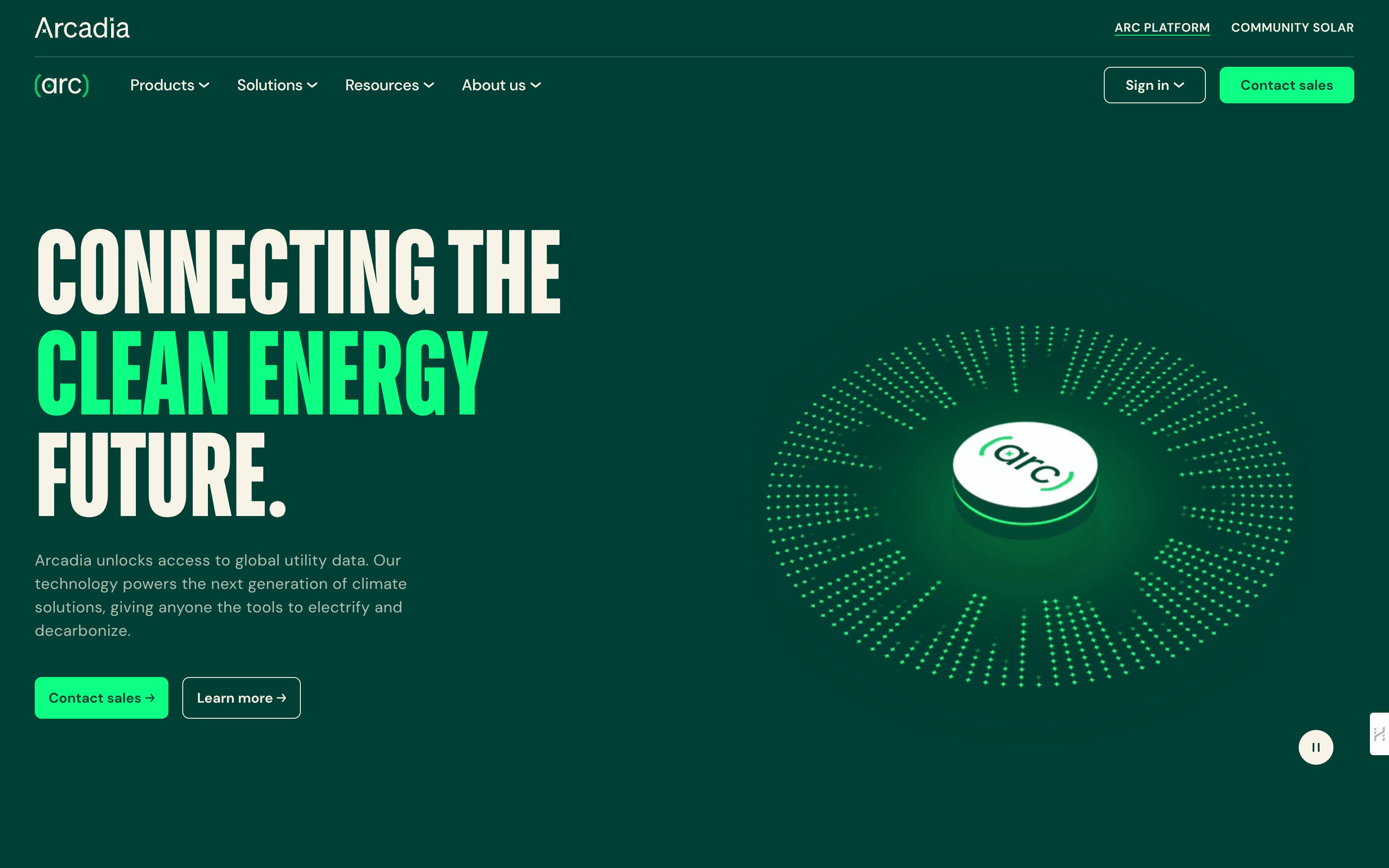
- Mutiny and Demandbase are strongest for personalizing existing websites based on who’s visiting, especially at enterprise scale.
- 6sense and Terminus (now demandscience) are best when intent data and orchestration matter more than page creation itself.
- Folloze and Prismic excel at high-touch, sales-driven 1:1 ABM microsites.
- Instapage and Unbounce are ideal if your priority is landing page conversion optimization, not full ABM.
ABM campaigns live or die at the landing page. You can nail the targeting, craft the perfect outreach sequence, and serve ads to exactly the right accounts, but if the destination feels generic, the whole thing falls flat.
The challenge is that most teams can't personalize landing pages at the scale modern ABM demands. This guide breaks down the top platforms that actually solve that problem, what features matter most, and how to pick the right tool for your team.
What to look for in account-based marketing platforms with landing page personalization
The top ABM platforms with landing page personalization combine AI-driven intent data, cross-channel orchestration, and deep CRM integrations. These platforms create tailored experiences for key accounts by aligning marketing messages across ads, email, and landing pages, then tracking engagement at the account level to prove ROI.
But not every platform handles personalization the same way. Some focus on advertising orchestration and treat landing pages as an afterthought. Others build great pages but lack the data infrastructure to personalize them meaningfully. Here's what separates the best from the rest:
- Personalization depth: Does the platform adapt messaging, pain points, and use cases based on account context, or just swap in company names?
- Scale: Can it generate dozens or hundreds of pages quickly without proportional effort from your team?
- Brand control: Are there approval workflows to maintain consistency across all variations?
- Data integration: Does it connect to your CRM and enrichment tools like Clay, Clearbit, or ZoomInfo?
- Measurement: Can you track account-level engagement and prove ROI before deals close?
Top 10 ABM platforms with landing page personalization capabilities
Here's a look at the top ABM platforms that include landing page personalization—ranked by how well they serve marketing teams who want to scale personalized experiences without adding headcount or developer dependencies.
1. Prismic ABM Page Builder
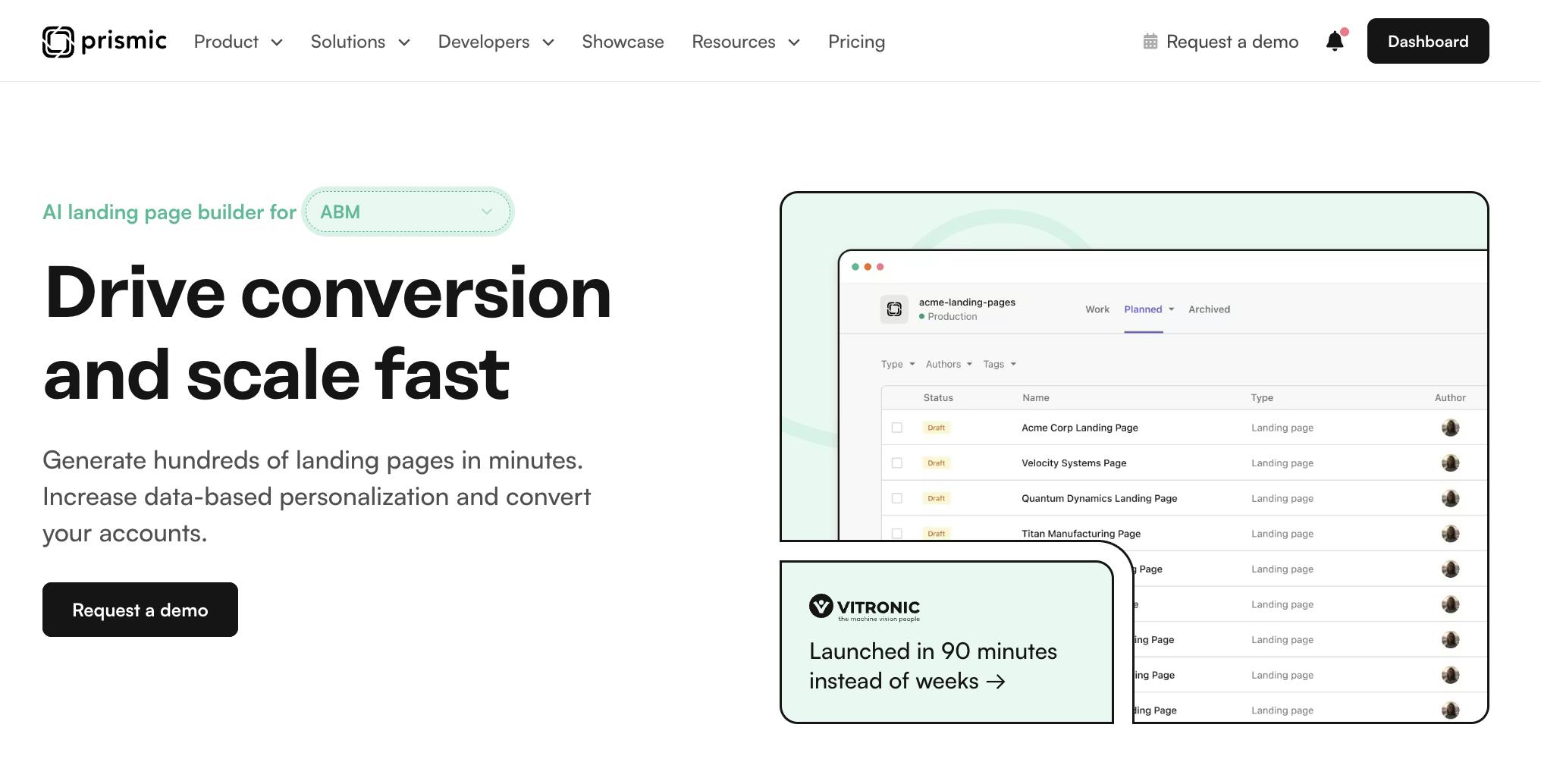
Prismic's ABM landing page builder is a marketing-first tool built specifically for teams running account-based programs at scale. You create a single base page that locks in your design and brand voice, then upload account data from your CRM or enrichment tools like Clay.
From there, Prismic generates dozens or hundreds of page variations that adapt the narrative—headlines, pain points, use cases, and proof points—based on each account's context. Pages are delivered as editable drafts in organized batches, so your team can review and approve before anything goes live.
- Best for: Marketing teams scaling ABM programs without adding headcount
- Standout feature: AI-generated personalized variations from a single brand-approved template
- Landing page personalization: Deep narrative customization based on industry, pain points, and use cases
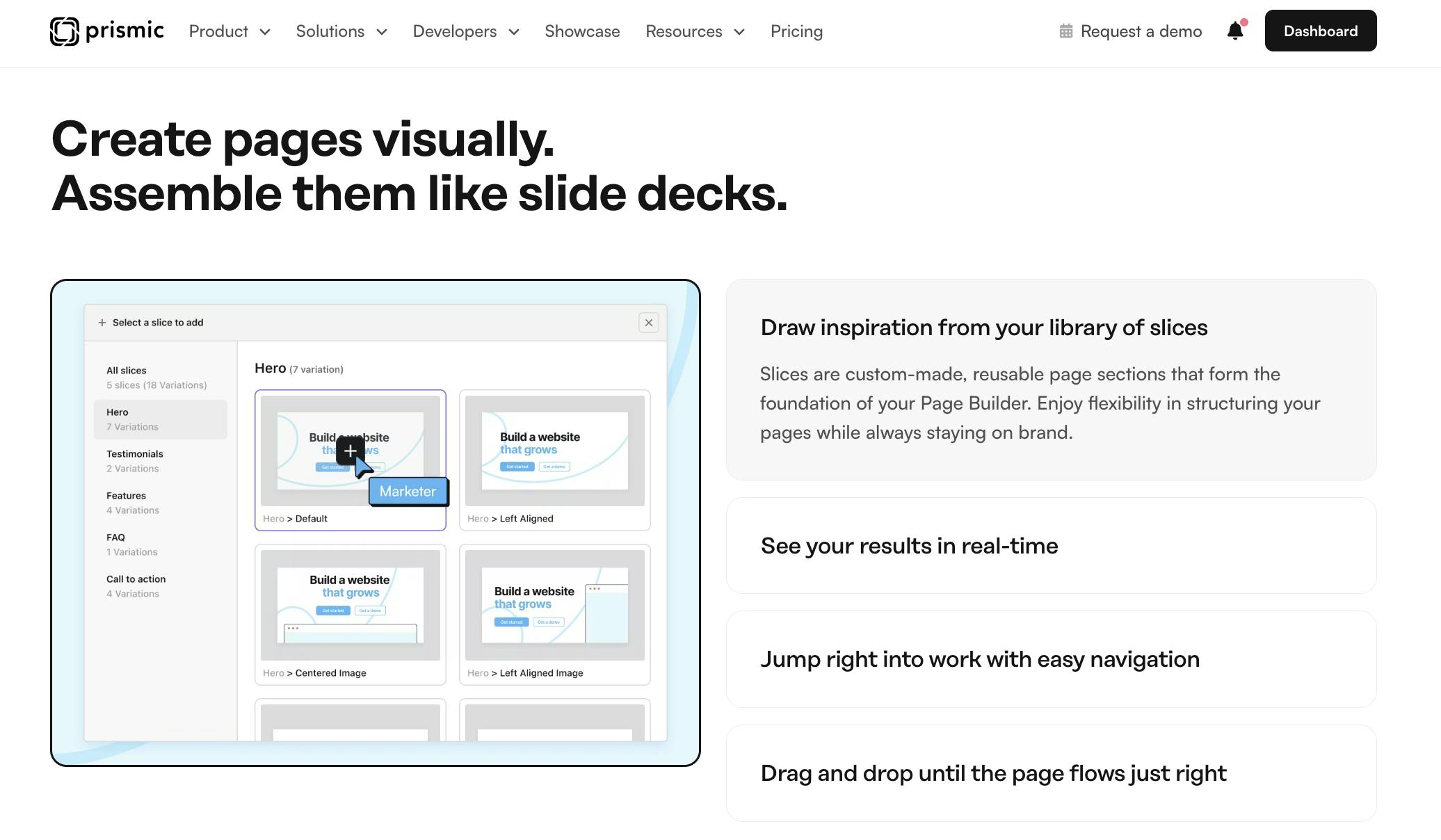
Ready to launch personalized ABM landing pages in minutes?
Prismic's ABM landing page builder turns one approved page into hundreds of tailored variations using the data you already have.
2. Mutiny
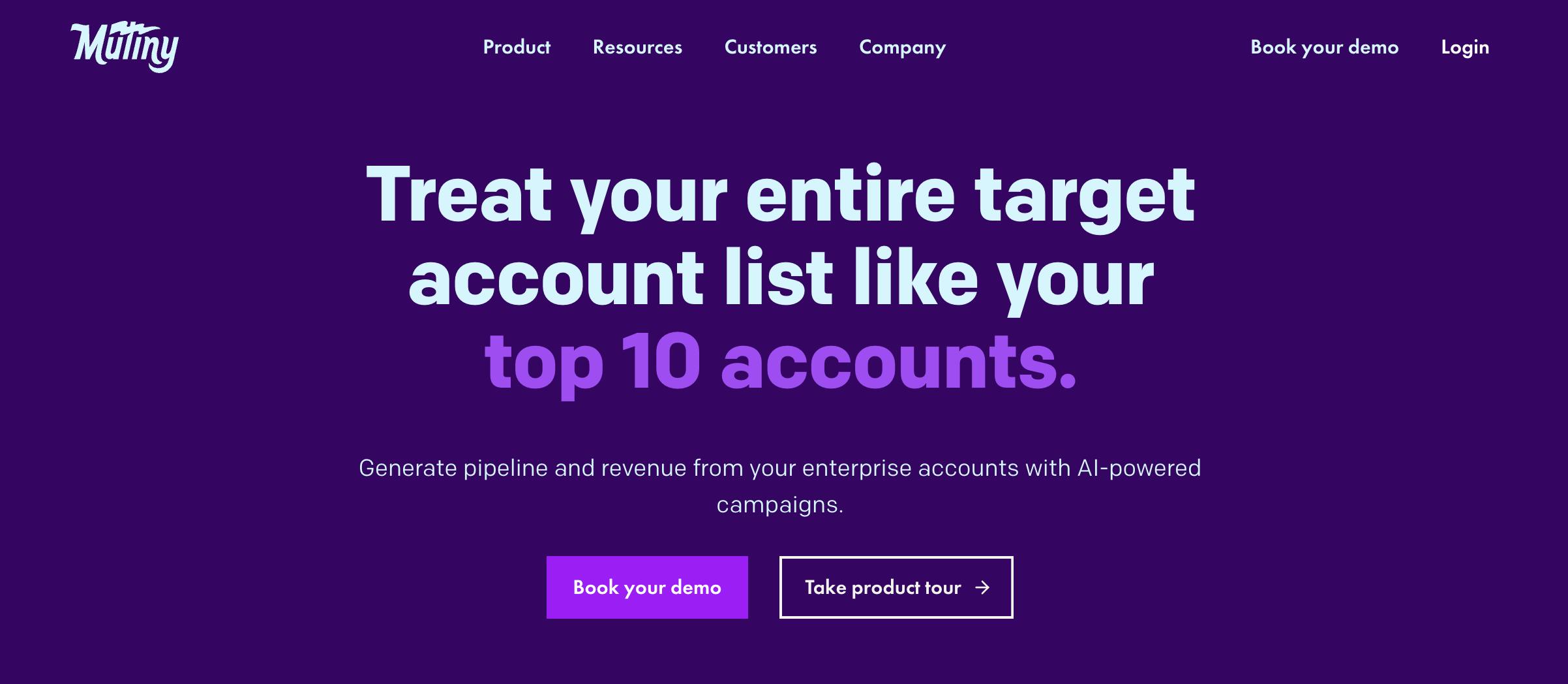
Mutiny is an enterprise ABM platform focused on converting existing website traffic through personalization. It works well for teams that want to show different content to different visitor segments without rebuilding pages from scratch.
The platform uses a no-code editor, which means marketing teams can make changes without filing engineering tickets. That said, Mutiny is primarily a website personalization tool rather than a dedicated landing page builder.
- Best for: Mid-market and enterprise B2B companies
- Standout feature: No-code website personalization
- Landing page personalization: Dynamic content changes based on visitor segments
3. Demandbase
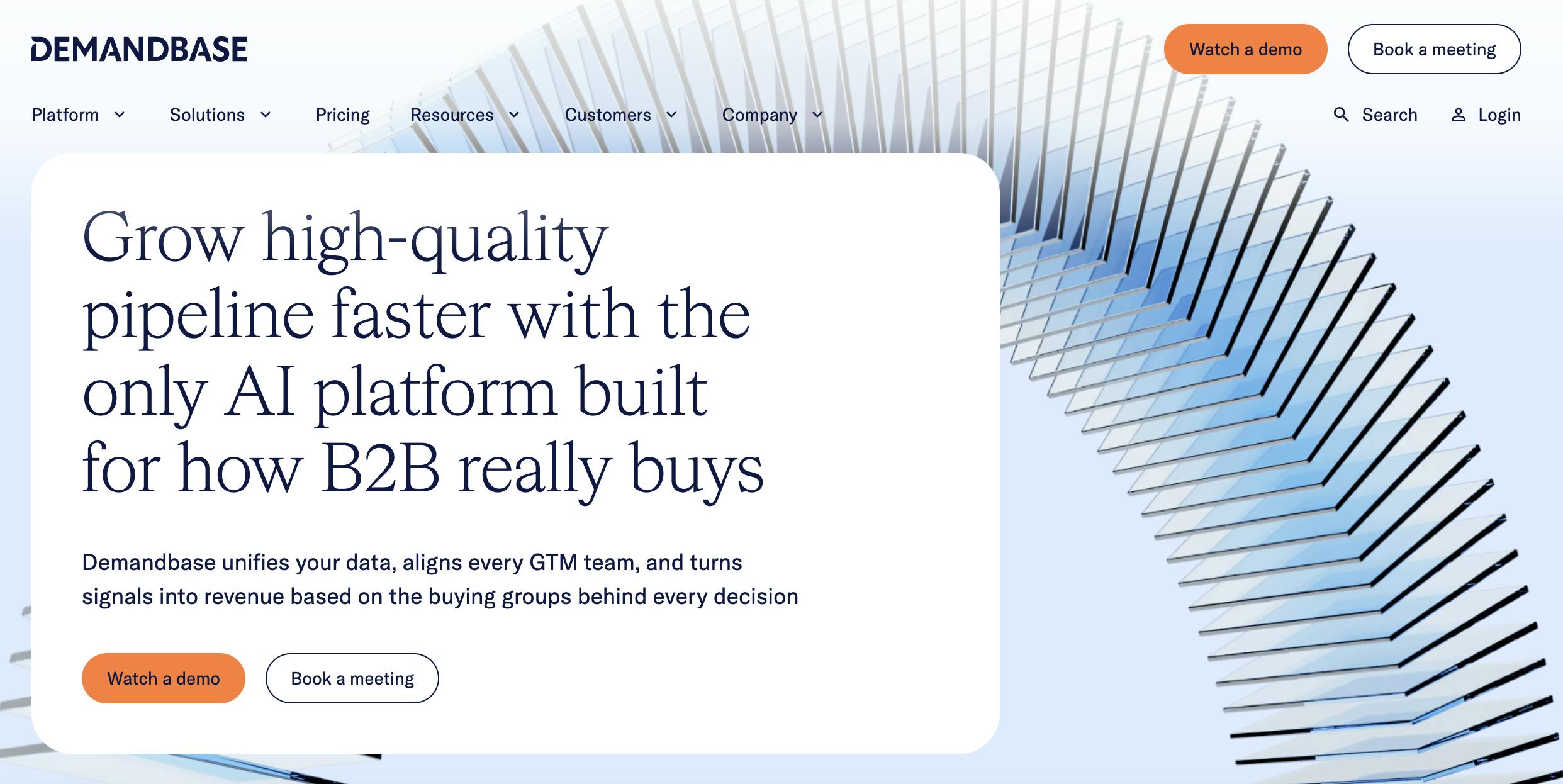
Demandbase One is a full-suite ABM advertising platform with account identification, intent data, and personalization capabilities. It's built for large marketing teams with complex tech stacks who want everything in one place.
The platform includes a website personalization module, though landing page creation is part of a broader ABM suite rather than a standalone focus. Teams typically use Demandbase for advertising and intent capabilities first, with personalization as an add-on.
- Best for: Large enterprises running multi-channel ABM programs
- Standout feature: Account identification and intent data
- Landing page personalization: Website personalization module within broader ABM suite
4. 6sense
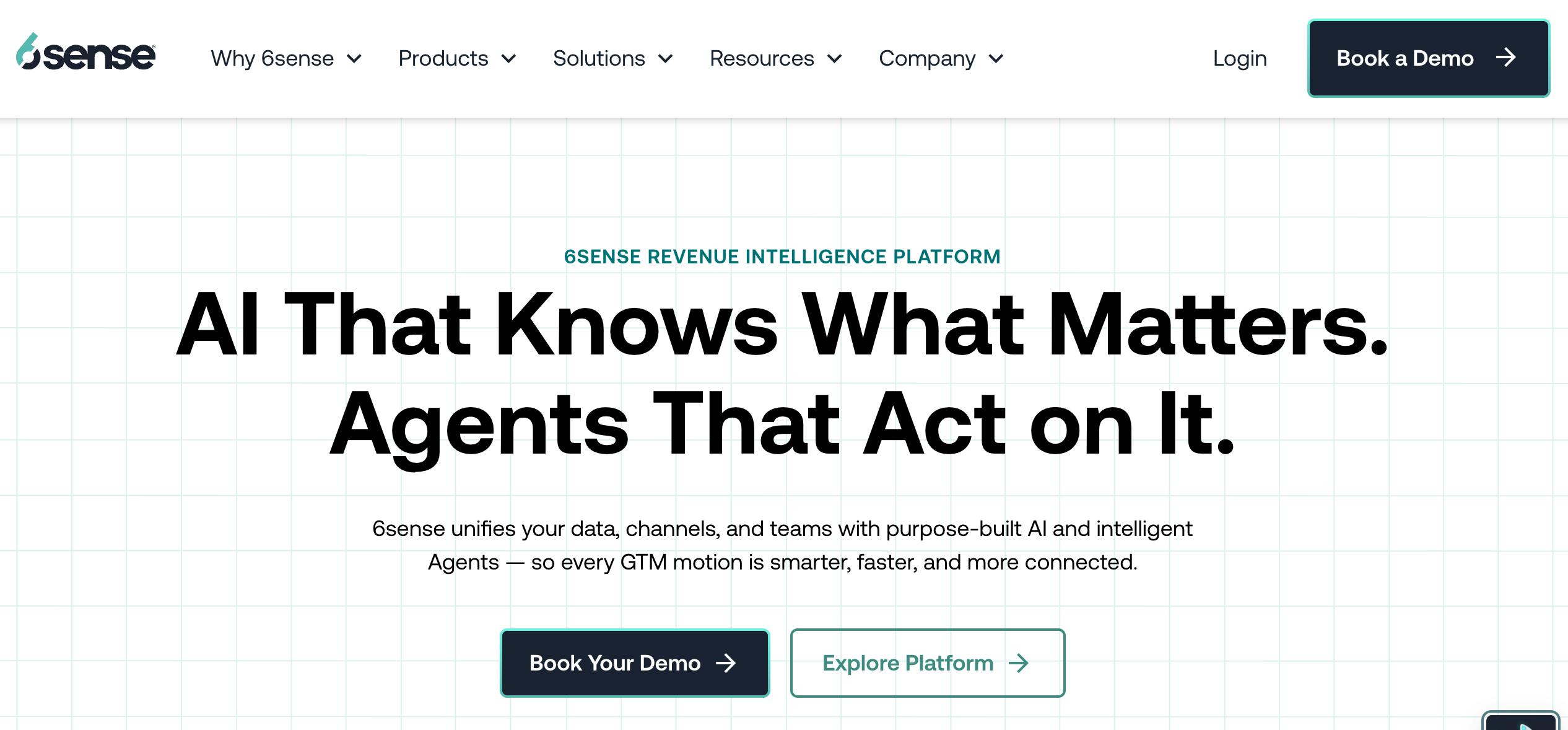
6sense is an intent-driven ABM platform that uses predictive analytics to identify in-market accounts and their buying stage. Landing page personalization is part of larger campaign orchestration rather than a primary feature.
The platform excels at telling you which accounts to target and when. Personalized experiences are triggered by intent signals, which can be powerful—but you'll often want additional tools to actually build the pages.
- Best for: Teams prioritizing intent signals to target accounts
- Standout feature: Predictive analytics and buying stage identification
- Landing page personalization: Personalized experiences triggered by intent data
5. Folloze
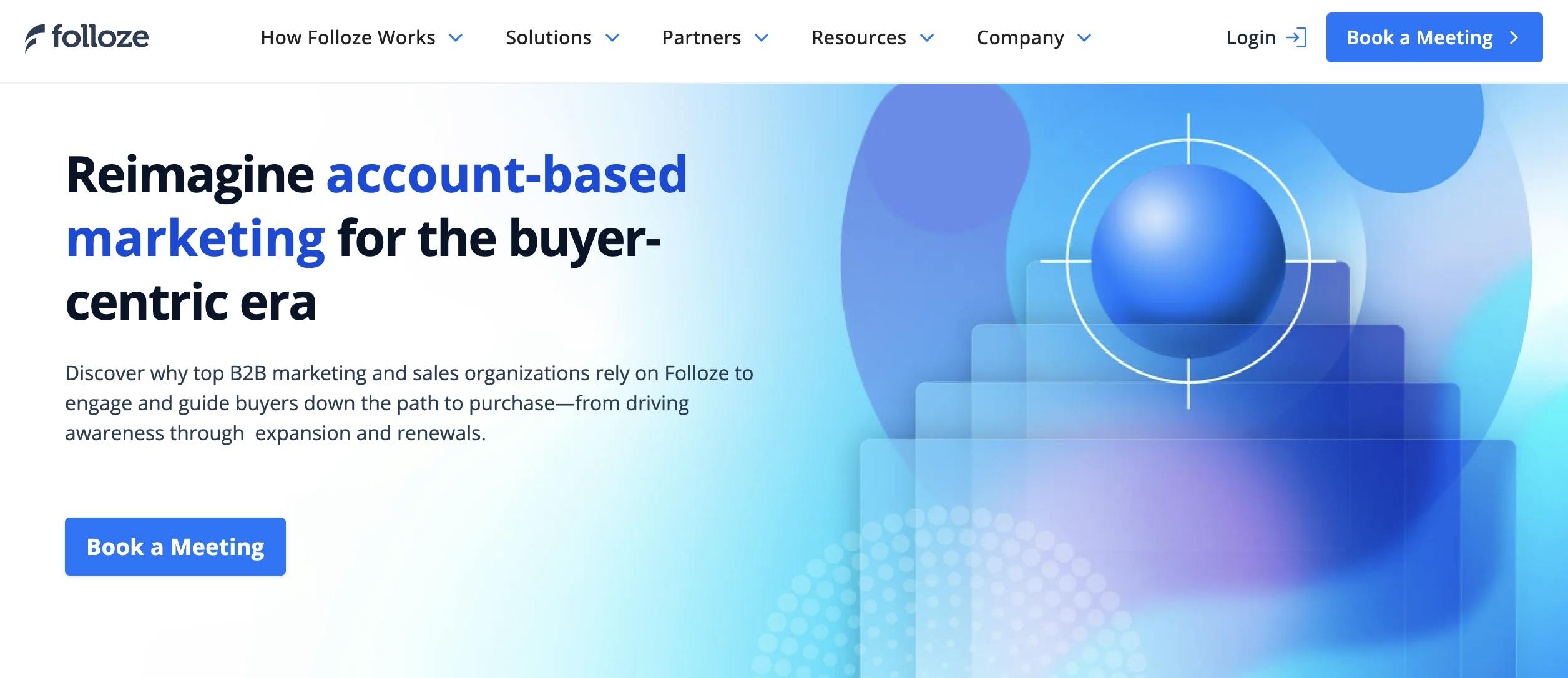
Folloze is a content experience platform for creating personalized buyer journeys. It's particularly strong for 1:1 microsites where sales and marketing collaborate on high-value accounts.
The drag-and-drop interface makes it easy to build account-specific content boards with personalized recommendations. Folloze works well for strategic ABM programs targeting a smaller number of accounts with highly customized experiences.
- Best for: Sales and marketing alignment on high-value accounts
- Standout feature: Drag-and-drop personalized content boards
- Landing page personalization: Account-specific microsites with content recommendations
6. Demandscience (formerly Terminus)
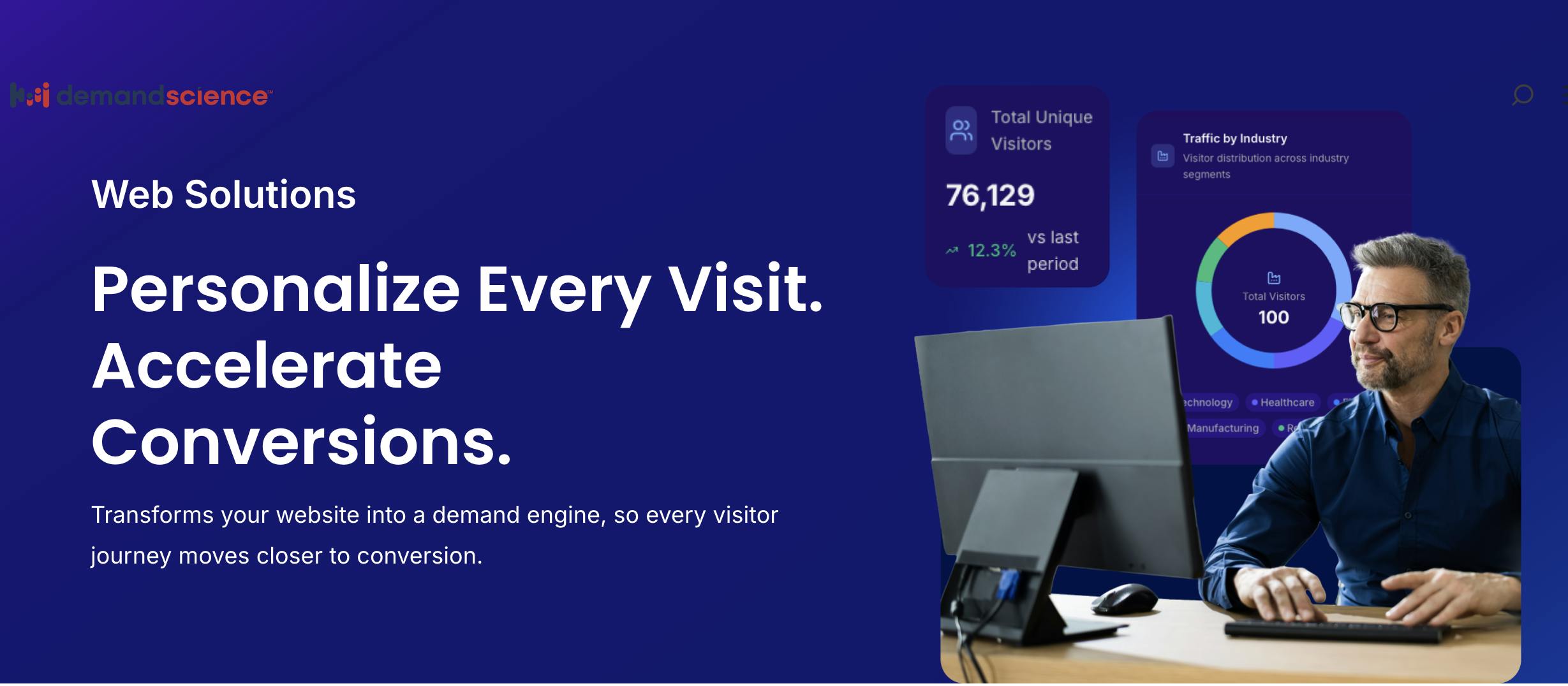
Terminus (now demandscience) is a multi-channel ABM platform that orchestrates campaigns across advertising, email, and web personalization. It's designed for teams running coordinated campaigns where the landing page is one touchpoint among many.
Web personalization is part of the integrated ABM workflow, which means you can align landing page content with your ads and email sequences. The trade-off is that landing page capabilities are less robust than dedicated page builders.
- Best for: Teams running coordinated campaigns across ads, email, and web
- Standout feature: Multi-channel campaign orchestration
- Landing page personalization: Web personalization as part of integrated ABM campaigns
7. Rollworks
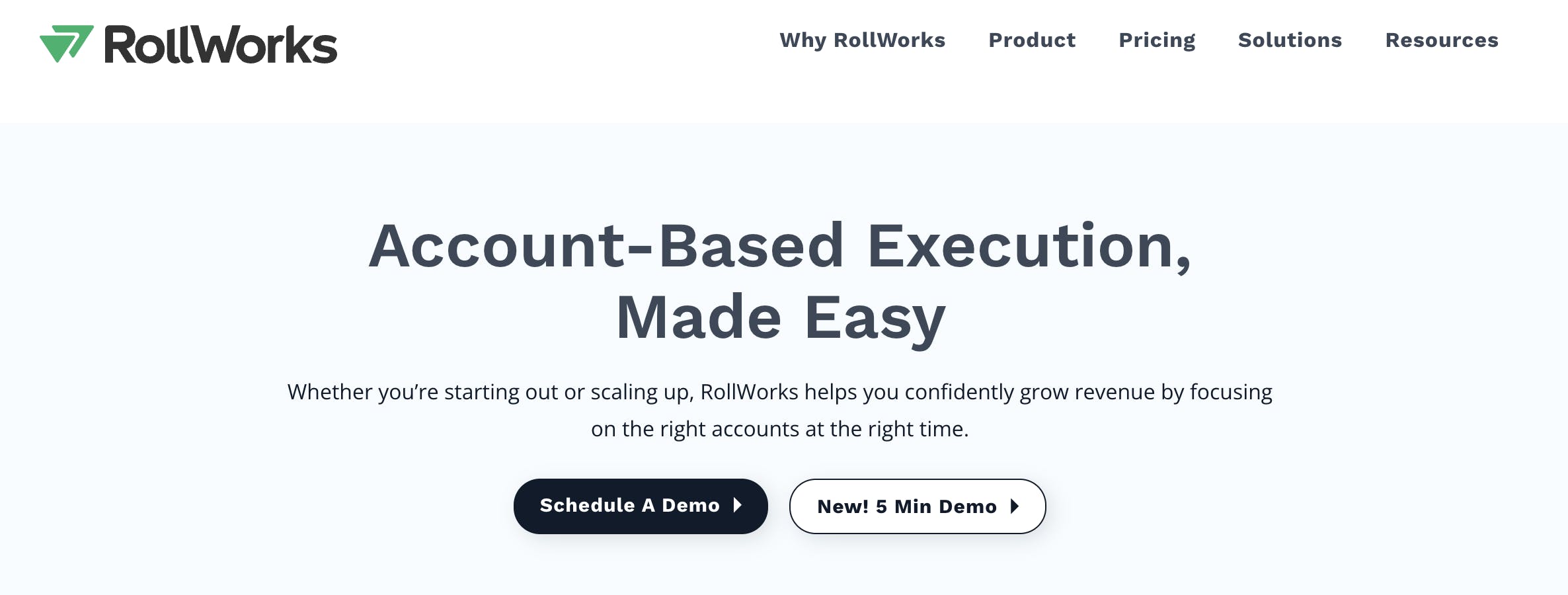
RollWorks is an ABM platform with a strong advertising focus and account targeting capabilities. It's a good fit for mid-market teams starting or scaling their ABM programs.
The platform offers basic personalization tied to ad campaigns, which helps maintain message consistency from ad to landing page. Personalization depth is more limited compared to dedicated landing page tools, however.
- Best for: B2B companies starting or scaling ABM programs
- Standout feature: Account-based advertising with retargeting
- Landing page personalization: Basic personalization tied to ad campaigns
8. Instapage
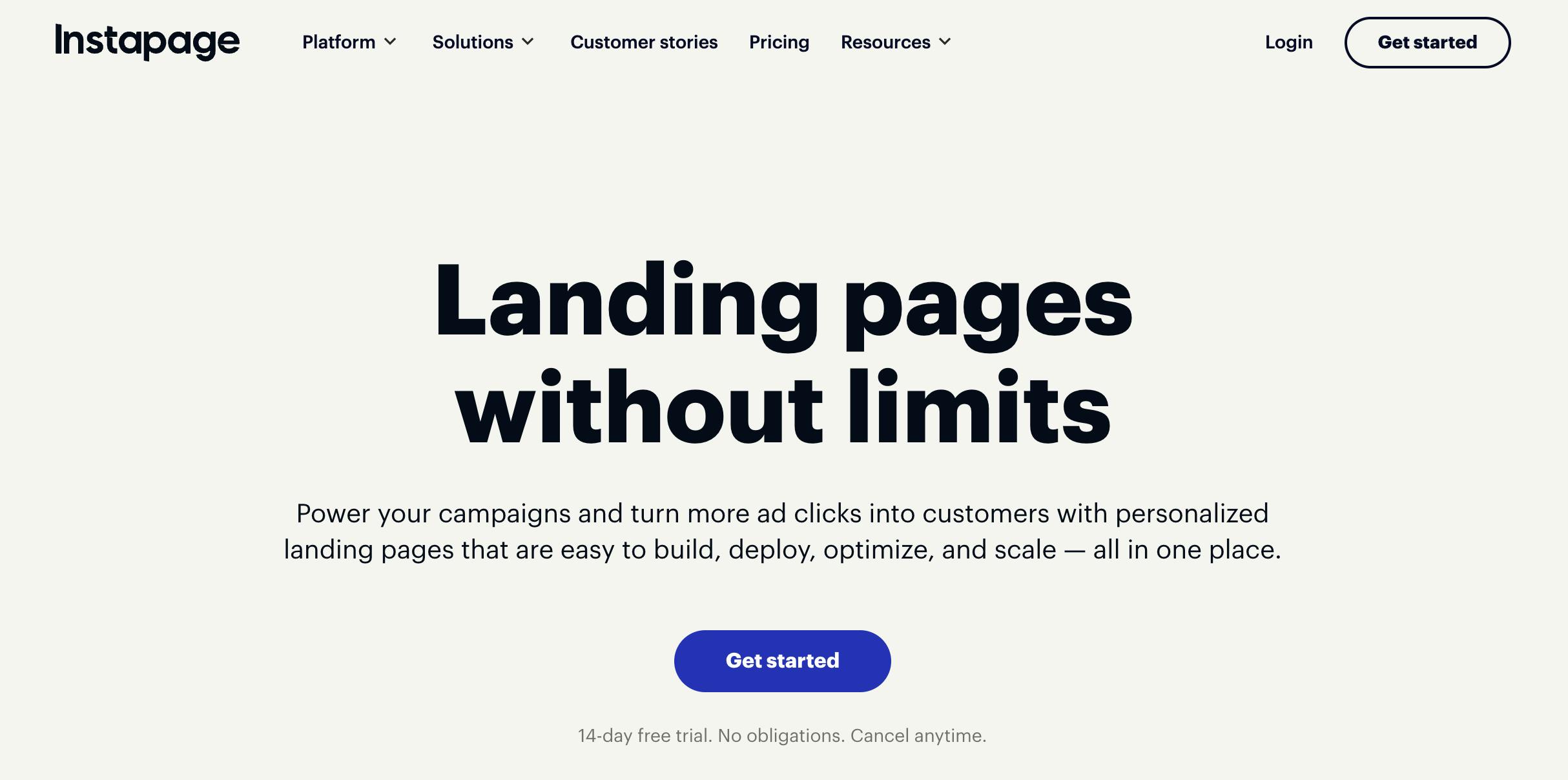
Instapage is a dedicated landing page platform with personalization features, A/B testing, and heatmaps. It's not a full ABM suite, but it's strong for teams focused specifically on landing page conversion optimization.
The platform offers dynamic text replacement and audience-based experiences, which work well for basic ABM personalization. You'll likely want to pair it with other tools for account identification and intent data.
- Best for: Teams focused specifically on landing page conversion optimization
- Standout feature: A/B testing and heatmaps
- Landing page personalization: Dynamic text replacement and audience-based experiences
9. Unbounce
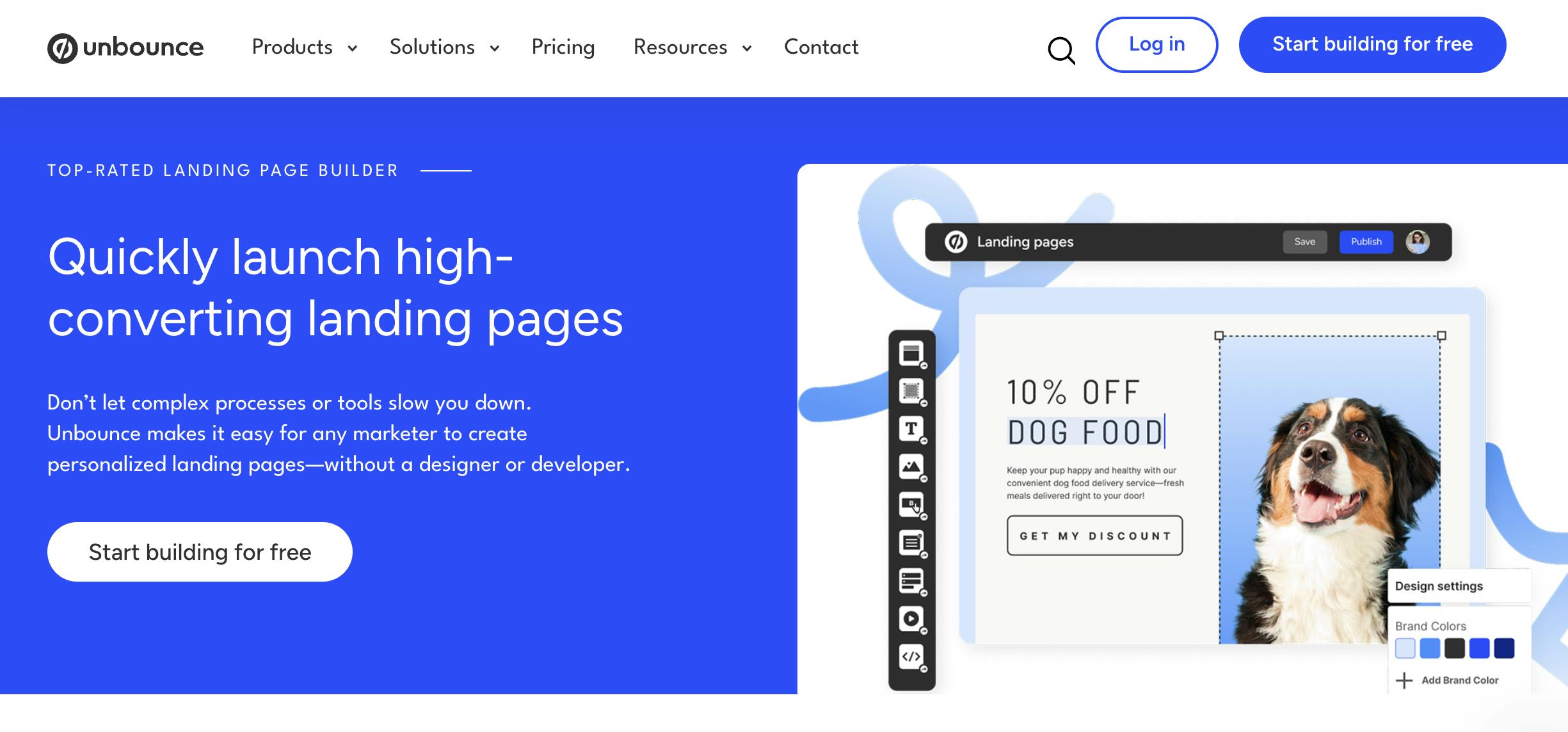
Unbounce is a landing page builder with AI-powered traffic optimization and variant testing. Like Instapage, it's page-focused rather than a full ABM platform.
The platform's Smart Traffic feature automatically routes visitors to the variant most likely to convert. For ABM use cases, you can create account-specific pages with dynamic content insertion, though the personalization is more surface-level than narrative-driven.
- Best for: Marketing teams building high-converting landing pages at scale
- Standout feature: AI-powered traffic optimization
- Landing page personalization: Variant testing and dynamic content insertion
10. HubSpot CMS Hub
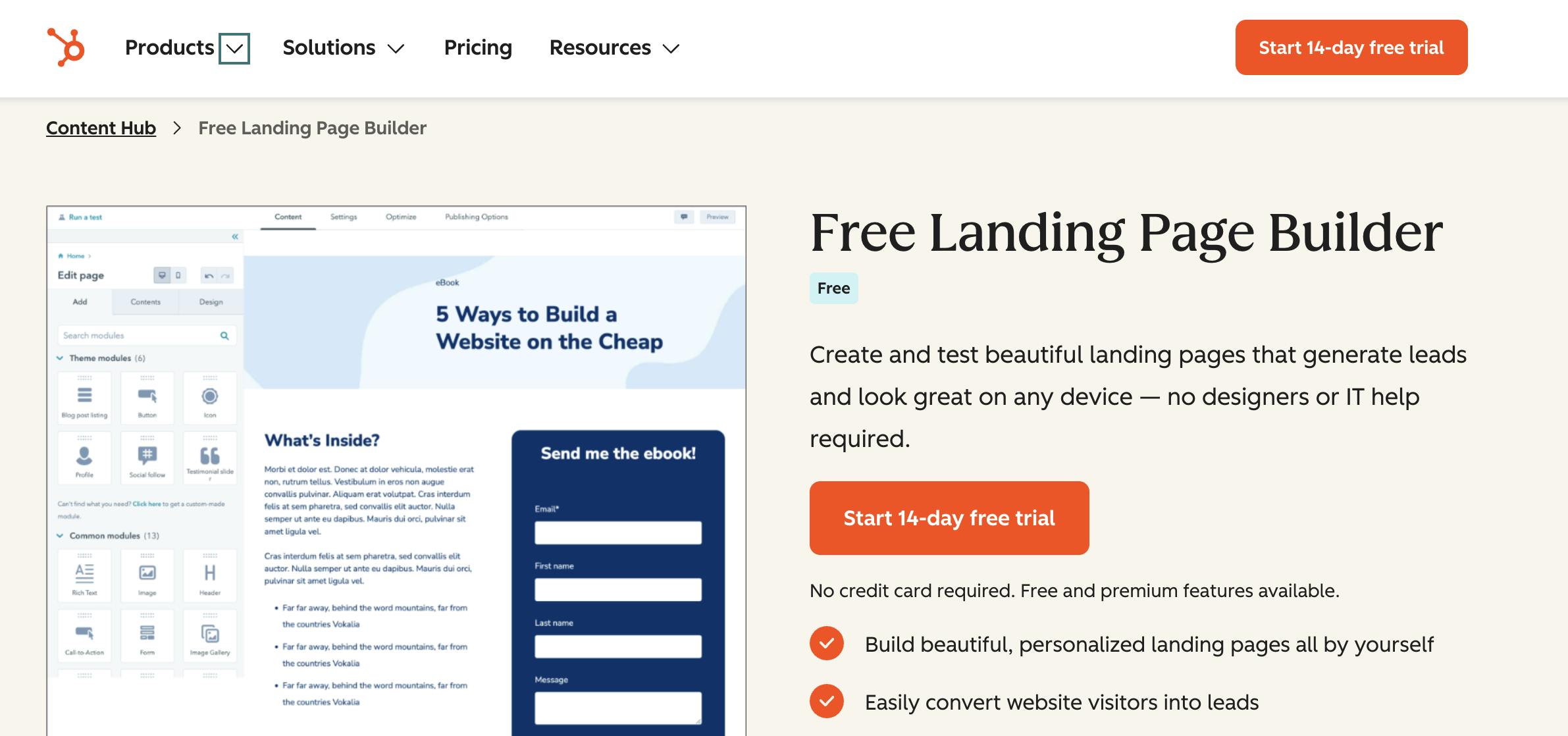
HubSpot CMS Hub offers basic ABM and personalization features within an all-in-one marketing platform. It's a good fit for companies already using HubSpot as their primary marketing and CRM system.
Smart content lets you show different page elements based on CRM properties and list membership. The personalization is straightforward to set up, though it's less sophisticated than dedicated ABM tools.
- Best for: Companies using HubSpot as their primary marketing platform
- Standout feature: Native CRM integration
- Landing page personalization: Smart content based on CRM properties and list membership
Key features of the best ABM landing page tools
Not all personalization is created equal. Here's what the best account-based marketing tools actually deliver—and why each feature matters for your ABM programs.
Personalization depth beyond token swapping
Token swapping means replacing placeholders like {Company Name} or {Industry} in a template. The rest of the page stays generic. Buyers notice.
Deep personalization adapts the entire narrative based on account context. Headlines shift to address specific pain points. Use cases reflect the account's industry. Proof points feature relevant customer stories. The page feels like it was made for that account—because, in a meaningful sense, it was.
Shallow personalization | Deep personalization |
|---|---|
"Welcome, Acme Corp" | Headline addresses Acme's specific challenge |
Same use cases for everyone | Use cases match Acme's industry |
Generic proof points | Customer stories from similar companies |
Speed and scale of page generation
Manual page creation can't keep up with ABM account lists. If your team targets 100 accounts and each page takes 2 hours to build, you're looking at 200 hours of production work—before any revisions.
The best tools let you generate dozens or hundreds of pages without proportional effort. Some platforms require developer tickets for each variation. Others let marketing teams move independently, which dramatically reduces time-to-launch.
Brand control and approval workflows
Scaling personalized pages introduces risk. Without guardrails, variations can drift off-brand or include messaging that hasn't been approved.
The best tools use a "base page" or template system where design, structure, and brand voice are locked in. Variations adapt the content while staying within those constraints. Batch review capabilities let teams QA at scale without reviewing every single page individually.
Integration with CRM and data enrichment tools
Personalization is only as good as the data powering it. First-party data from your CRM—company names, industries, deal stages—provides the foundation. Enrichment platforms like Clay, Clearbit, or ZoomInfo fill gaps with firmographics, tech stack, and other attributes.
Good integration means data flows into the tool and powers page variations automatically. You upload a CSV or connect an API, and the platform uses that data to generate personalized content.
Account-level engagement tracking and ROI measurement
Proving ABM ROI before deals close is notoriously difficult. Account-level engagement signals—page visits, time on page, content interaction—help teams measure traction earlier.
Personalized URLs make attribution cleaner. When each account has a unique landing page URL, you can track exactly which accounts engaged and how deeply. This data helps prove ABM value before revenue fully materializes.
Ease of use for marketing teams without developer support
Marketing teams blocked by engineering queues can't move at campaign speed. If every landing page variation requires a developer ticket, your ABM program will always lag behind your account list.
Marketing-first tools that don't require code are essential for ABM velocity. Look for visual editors, template systems, and workflows designed for marketers—not just developers.
How to choose the right ABM software for your landing page programs
Choosing the right tool depends on your team size, existing tech stack, and how you run ABM campaigns. Here's a framework for evaluating your options:
Consideration | Questions to ask |
|---|---|
Team resources | Do you have dedicated design/dev support, or does marketing move independently? |
Account volume | Are you targeting a handful of strategic accounts or hundreds? |
Personalization depth | Do you want basic token replacement or narrative-level customization? |
Existing tools | What CRM, enrichment, and advertising platforms do you already use? |
Speed requirements | How quickly do you launch campaigns and react to market changes? |
A few patterns emerge based on team context. Small marketing teams with no dev support often prioritize tools that let them build and publish without engineering tickets—Prismic, Unbounce, and Instapage all offer marketing-friendly workflows. Teams scaling from a few accounts to hundreds typically look for AI-powered generation and batch workflows, since manual page creation won't keep pace. And teams that want deep integration with sales often choose platforms with strong CRM sync and account-level analytics, like Demandbase, 6sense, or HubSpot.
Scale your ABM landing pages without scaling your team
The best ABM tools turn account data into personalized landing pages without multiplying production work. One approved page becomes dozens or hundreds of variations—each tailored to a specific account's context.
The right platform matches your campaign velocity, not the other way around. When buying windows are short and account lists are long, weeks of page production for each campaign simply isn't practical.
Teams are already seeing results with this approach. VITRONIC launched a 60-page personalized ABM campaign in about 90 minutes—work that previously took weeks of coordination.
Get started with Prismic
FAQs about account-based marketing tools
You might also like...