8 Best LandingRabbit Alternatives for Personalized ABM Landing Pages in 2026


TL;DR – Quick picks for LandingRabbit alternatives
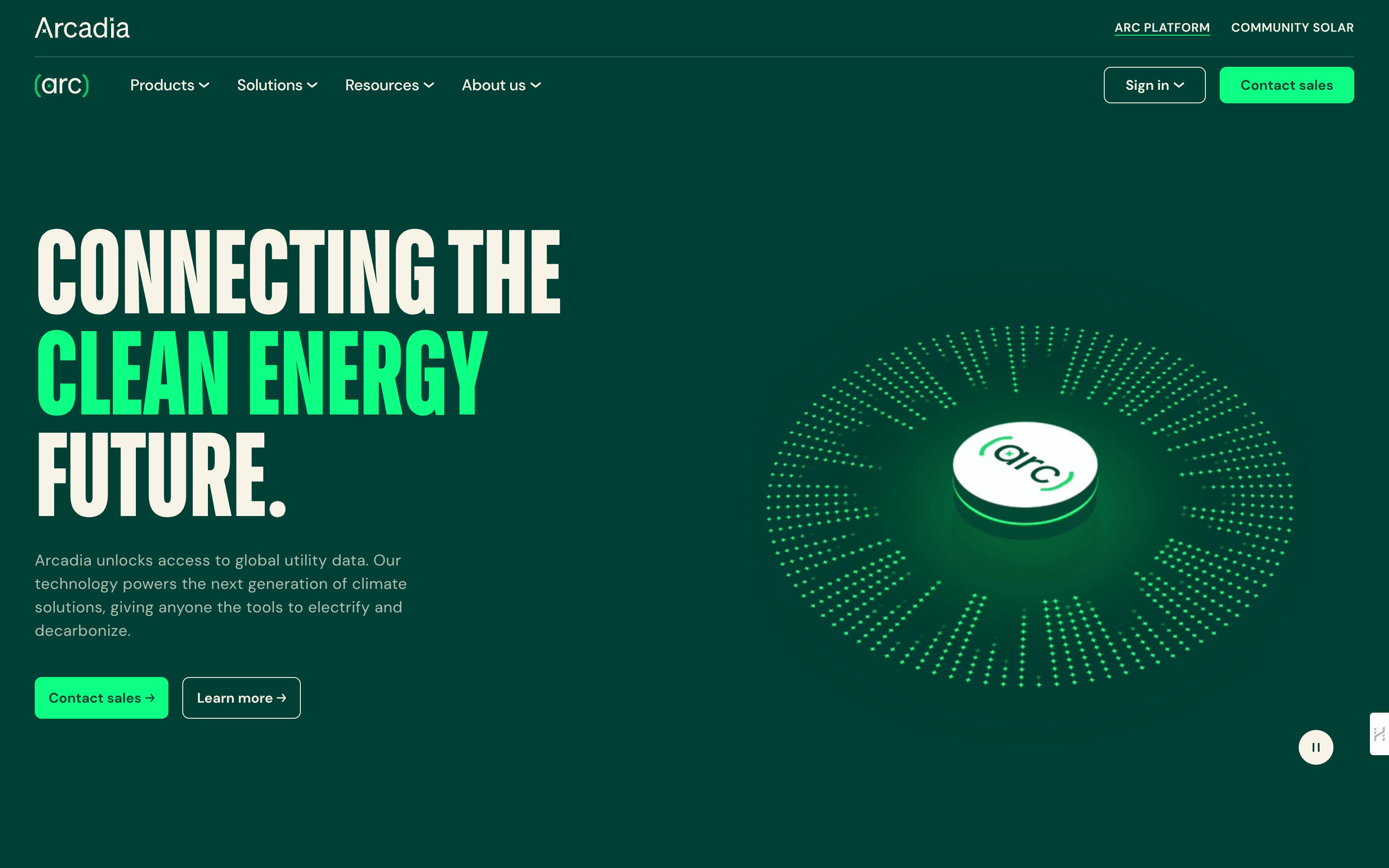
The best LandingRabbit alternatives depend on your specific needs and workflow. Prismic excels at generating hundreds of page variations from a single template with marketing-owned workflows. Mutiny provides AI-powered personalization that works across your entire website. UserLed and Reachdesk offer purpose-built ABM page solutions with unique angles. For simpler needs, Unbounce and Instapage offer drag-and-drop builders with basic personalization.
LandingRabbit helped teams spin up personalized ABM pages quickly, but it's not the only option - and depending on your workflow, it might not be the best fit. The market for ABM landing page tools has expanded significantly, with options ranging from full-suite enterprise platforms to lightweight builders designed specifically for marketing teams.
This guide breaks down 8 alternatives worth considering, what each does best, and how to pick the right one for your stack and team size.
Tool | Best for | Key strength | Pricing model |
|---|---|---|---|
Prismic | Marketing teams scaling page production | One base page to hundreds of variations | Tiered SaaS |
Mutiny | AI-powered website personalization | Automatic audience segmentation | Usage-based |
UserLed | Product-led ABM campaigns | Account identification with page personalization | Tiered SaaS |
Unbounce | Drag-and-drop simplicity | A/B testing and ease of use | Tiered SaaS |
Instapage | Post-click optimization | AdMap for 1:1 ad-to-page mapping | Tiered SaaS |
Leadpages | Small business focus | Affordable entry point with templates | Tiered SaaS |
HubSpot CMS Hub | HubSpot ecosystem users | CRM-native personalization | Tiered SaaS |
Landingi | European market leader | GDPR compliance and localization | Tiered SaaS |
What to look for in a LandingRabbit alternative
ABM landing page personalization means tailoring the entire page experience—headlines, copy, case studies, and CTAs—for a specific target account. The goal is creating a 1:1 experience that feels custom-built rather than templated. Not every tool approaches this the same way, so here's what separates the effective ones from generic page builders.
Personalization depth beyond token swapping
Token swapping is the most basic form of personalization. It replaces placeholders like {Company Name} in headlines with actual company names pulled from your data. While this is better than nothing, it often feels shallow to buyers who can tell the page wasn't really made for them.
Deep personalization goes further. It adapts proof points, framing, and product emphasis based on firmographic data—things like industry, company size, or specific pain points. The difference matters because buyers who've experienced genuinely tailored messaging from one vendor start expecting that level of relevance everywhere.
Speed from template to live page
Buying windows in B2B are often short. A tool that takes weeks of coordination to launch a single page won't keep pace with your campaigns. The faster you can go from template to live page, the more accounts you can reach while they're still actively evaluating solutions.
Brand control and batch approval workflows
When you're generating dozens or hundreds of page variations, guardrails become essential. Locked templates prevent off-brand changes from slipping through. Batch approval systems let you QA multiple pages at once without creating a bottleneck before launch.
Integration with CRM and enrichment tools
Native integrations with Salesforce, HubSpot, Clay, or Clearbit reduce manual data handling. Your landing pages stay populated with the latest account information without copy-paste workflows or CSV exports that go stale.
Account-level tracking and engagement signals
Standard analytics track individual users. Account-level tracking aggregates engagement signals—page visits, time on page, scroll depth—from multiple contacts within the same target account. This gives you a holistic view of account interest rather than fragmented data about anonymous visitors.
Top 8 LandingRabbit alternatives for personalized ABM landing pages
Here's a breakdown of each tool, what it does best, and where it falls short.
1. Prismic ABM landing page builder
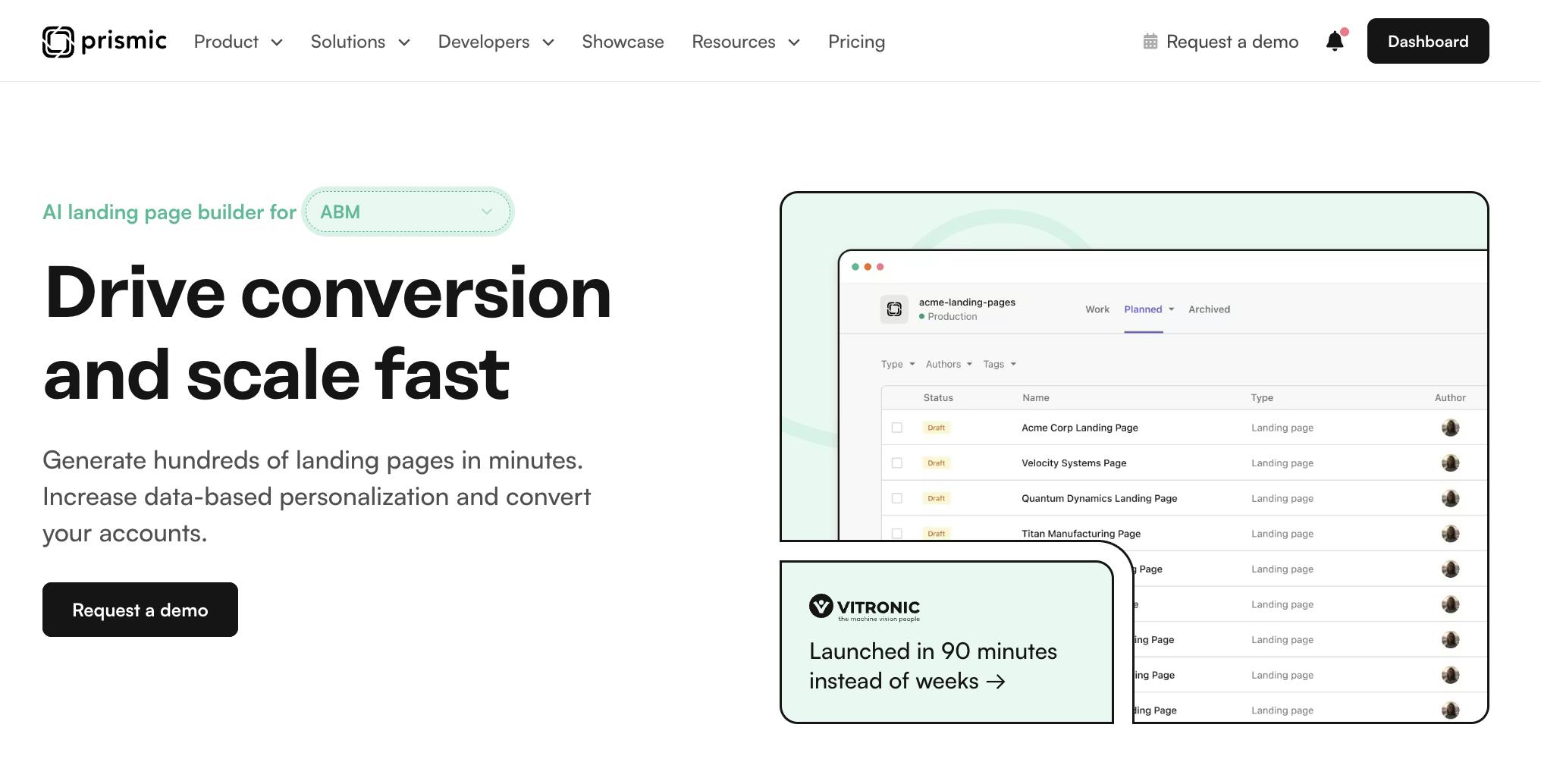
Prismic's ABM Landing Page Builder is designed specifically for marketing teams that need to create hundreds of personalized page variations from a single base page. You upload account data from tools like Clay or your CRM, and the system generates variations that adapt the narrative to each account's context.
The approach goes beyond token swapping. The system identifies meaningful angles in your data—industry context, pain points, relevant use cases—and tailors the story accordingly. Pages are delivered as editable drafts in organized batches for review and approval before going live.
Key features: One-to-many page generation, marketing-owned workflows, batch editing and approvals, deep content personalization
Where it beats LandingRabbit: More sophisticated content adaptation that goes beyond basic personalization, stronger batch approval workflows for managing hundreds of variations, built by a company with deep CMS expertise so the content management side is more mature
Where LandingRabbit is better: May have simpler initial setup for very basic use cases, established user base with existing templates and community resources
Pricing: Tiered SaaS subscription
Best for: Teams that need to generate 50+ personalized pages per campaign without dev resources
2. Mutiny
Mutiny is an AI-powered personalization platform that works across your entire website, not just landing pages. It automatically segments audiences based on firmographic and behavioral data, then personalizes content for different visitor groups.
The platform can generate account-specific microsites and adapt messaging dynamically. The AI handles much of the segmentation work automatically, though this sophistication requires more setup than simpler page builders.
Key features: AI-powered segmentation, full-website personalization, automatic microsite generation, behavioral targeting
Where it beats LandingRabbit: Personalizes your entire website experience, not just standalone pages; AI-driven segmentation reduces manual work; more sophisticated behavioral targeting capabilities
Where LandingRabbit is better: Faster setup for standalone campaign pages, simpler workflow for marketing teams without website integration needs, clearer pricing structure
Pricing: Usage-based or tiered subscription
Best for: Teams that want to personalize their main website experience rather than creating standalone campaign pages
3. Userled
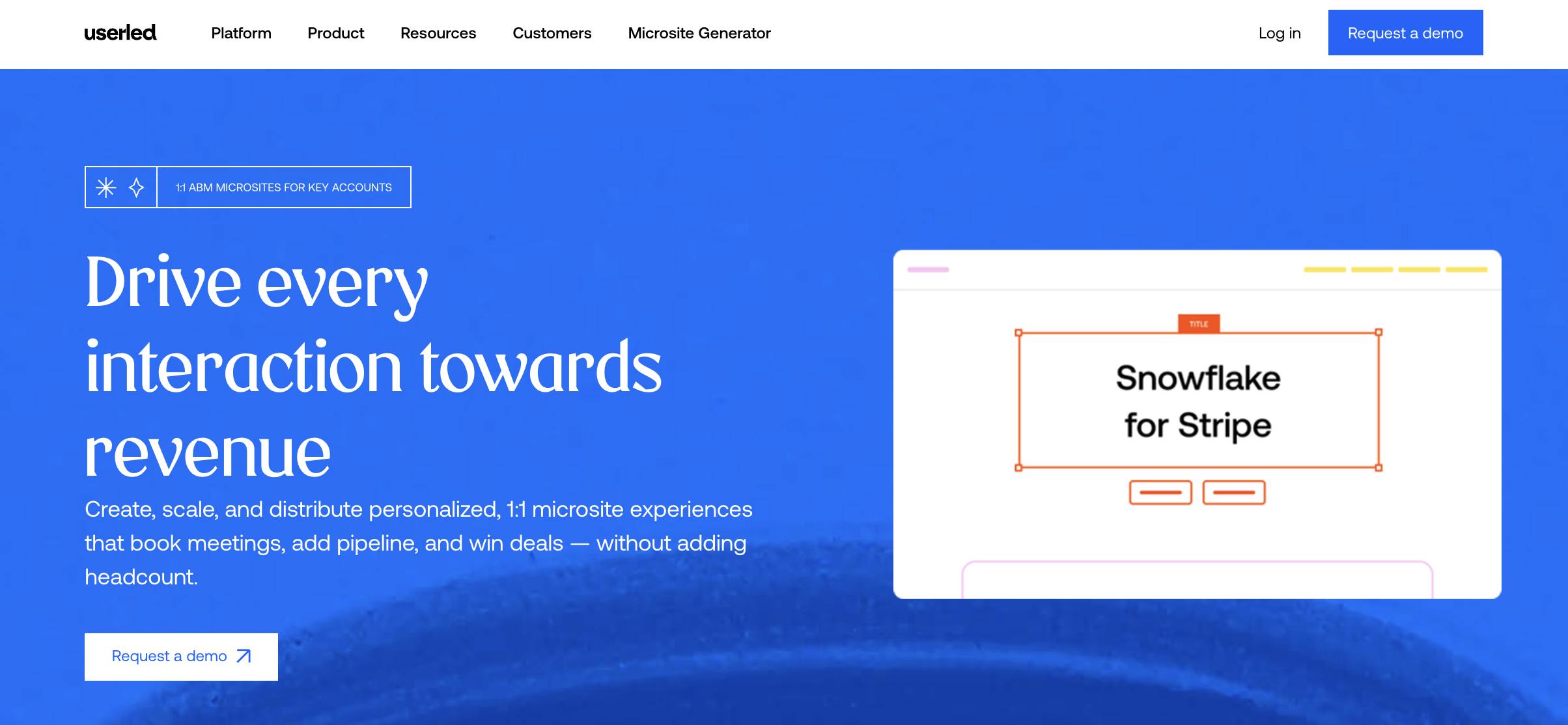
UserLed is an ABM platform built for product-led companies, combining account identification with personalized landing page creation. It identifies which accounts are visiting your site and enables you to create tailored experiences for those accounts.
The platform focuses on the intersection of product-led growth and ABM, making it particularly relevant for SaaS companies running outbound campaigns alongside inbound product traffic.
Key features: Account identification and deanonymization, personalized page builder, product usage data integration, intent signal capture
Where it beats LandingRabbit: Built-in account identification so you know which companies are visiting, integrates product usage data into personalization logic, better suited for product-led companies
Where LandingRabbit is better: More straightforward for pure outbound ABM campaigns without product-led components, simpler interface for teams that don't need account identification features
Pricing: Tiered SaaS subscription
Best for: Product-led SaaS companies running ABM campaigns that want to connect product usage with personalized outreach
4. Unbounce
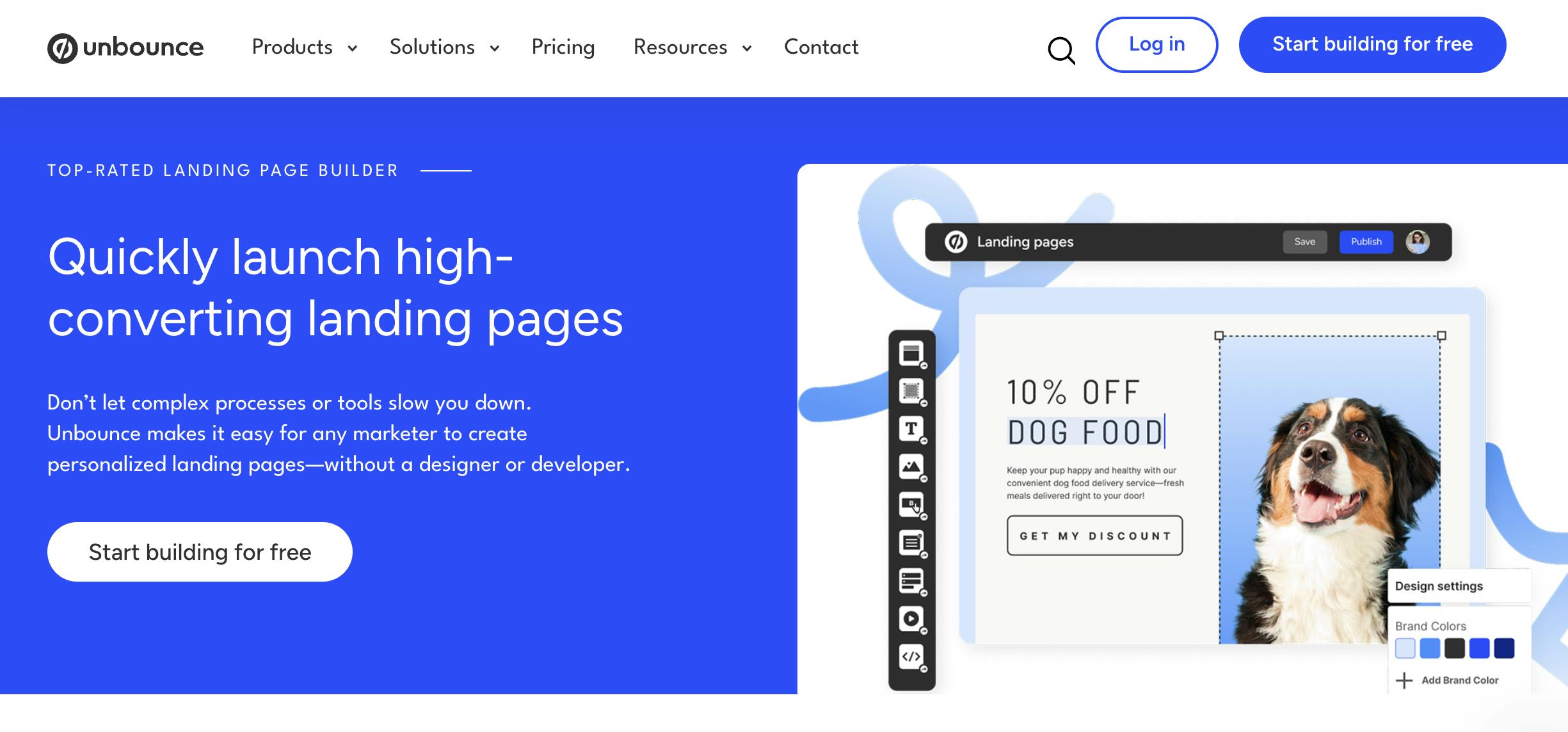
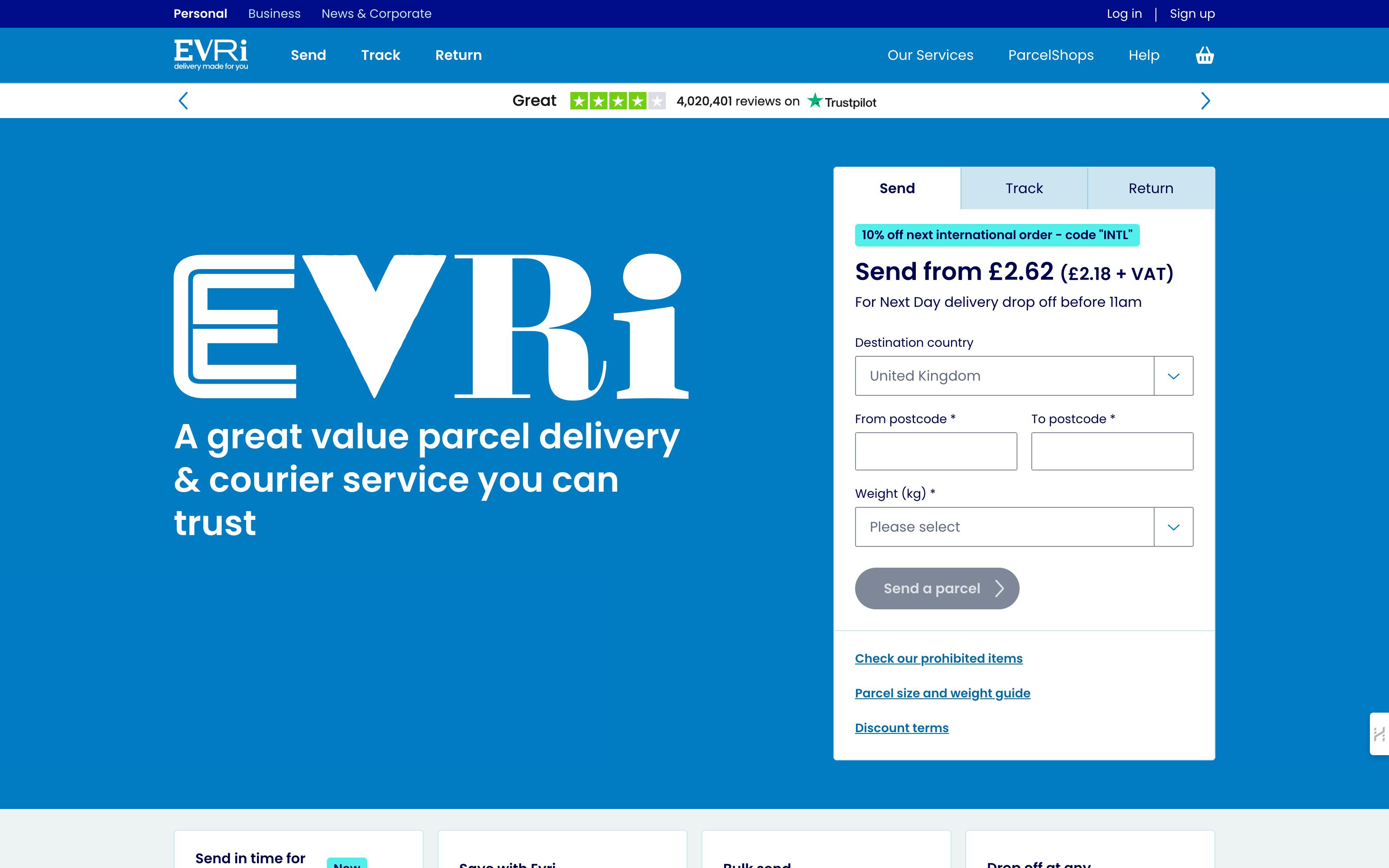
Unbounce is a popular landing page builder known for its drag-and-drop interface and A/B testing capabilities. While not built specifically for ABM, it supports personalization through dynamic text replacement based on URL parameters.
The platform excels at ease of use and conversion optimization features. Teams can build professional pages quickly without technical skills, though creating many variations requires building each page individually or using their dynamic text features.
Key features: Drag-and-drop builder, A/B testing, dynamic text replacement, conversion-focused templates, Smart Traffic optimization
Where it beats LandingRabbit: Stronger A/B testing capabilities, more mature conversion optimization features, larger template library, better for general landing page needs beyond ABM
Where LandingRabbit is better: Built specifically for ABM workflows with batch generation, better for creating hundreds of variations at scale, more sophisticated personalization beyond token swapping
Pricing: Tiered SaaS subscription starting around $90/month
Best for: Teams running smaller ABM programs (10-30 accounts) where individual page creation is manageable, or teams that prioritize conversion optimization
5. Instapage
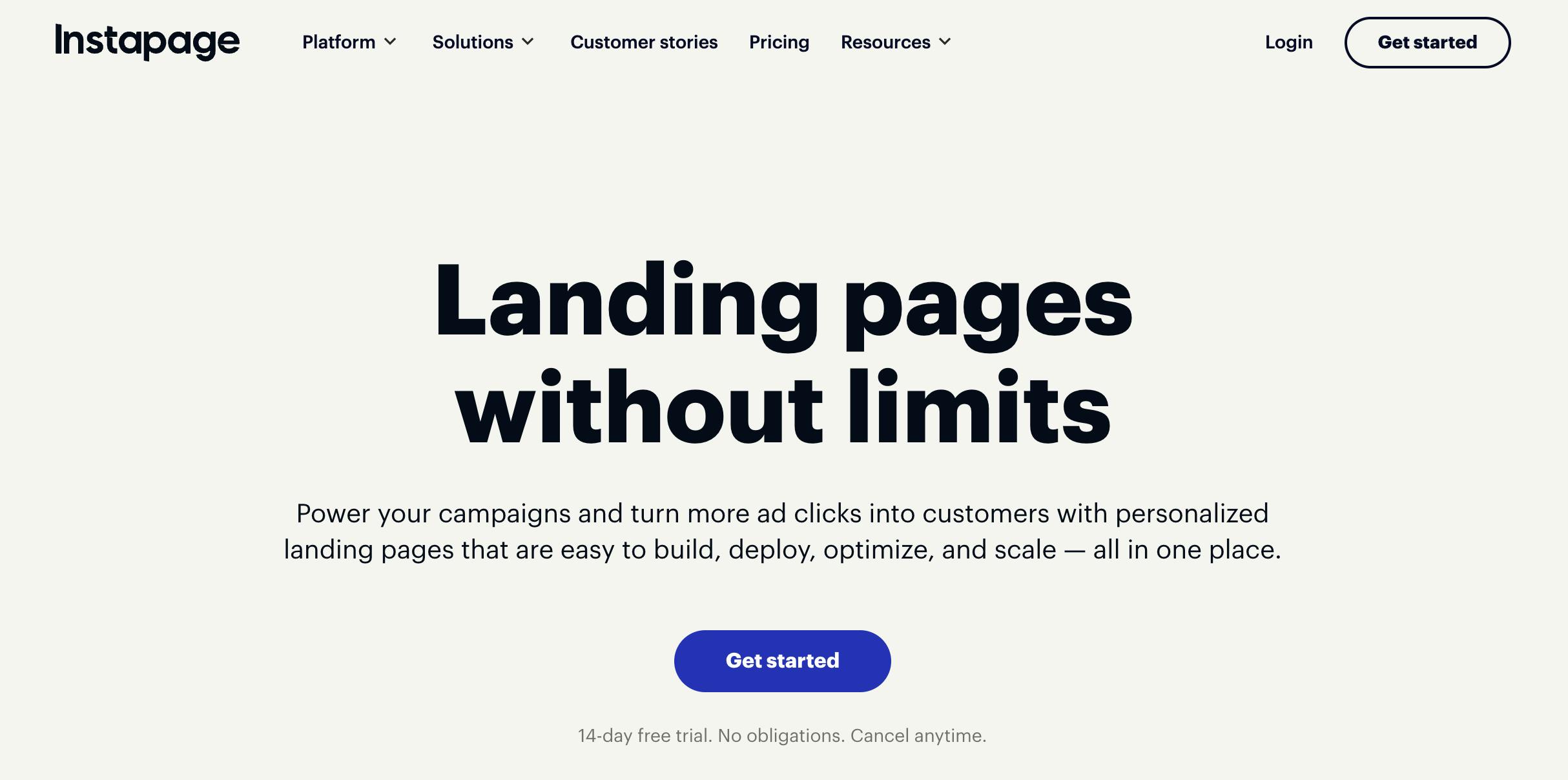
Instapage focuses on post-click optimization with a strong emphasis on ad-to-page consistency. Its AdMap feature helps visualize and manage the connection between ads and landing pages, ensuring message match.
The platform includes collaboration tools and detailed analytics. Like Unbounce, it's a capable page builder but requires more manual work for ABM-scale personalization.
Key features: AdMap for ad-to-page mapping, collaboration tools, heatmaps and analytics, experimentation features, Thor Render Engine for fast page loads
Where it beats LandingRabbit: Better ad-to-page mapping for paid campaigns, stronger collaboration features for team workflows, more detailed visitor analytics including heatmaps
Where LandingRabbit is better: Designed for ABM-scale variation generation, faster workflow for creating dozens of personalized pages, better for outbound campaigns not tied to paid ads
Pricing: Tiered SaaS starting around $200/month
Best for: Teams running paid advertising campaigns who need tight ad-to-page coordination
6. LeadPages
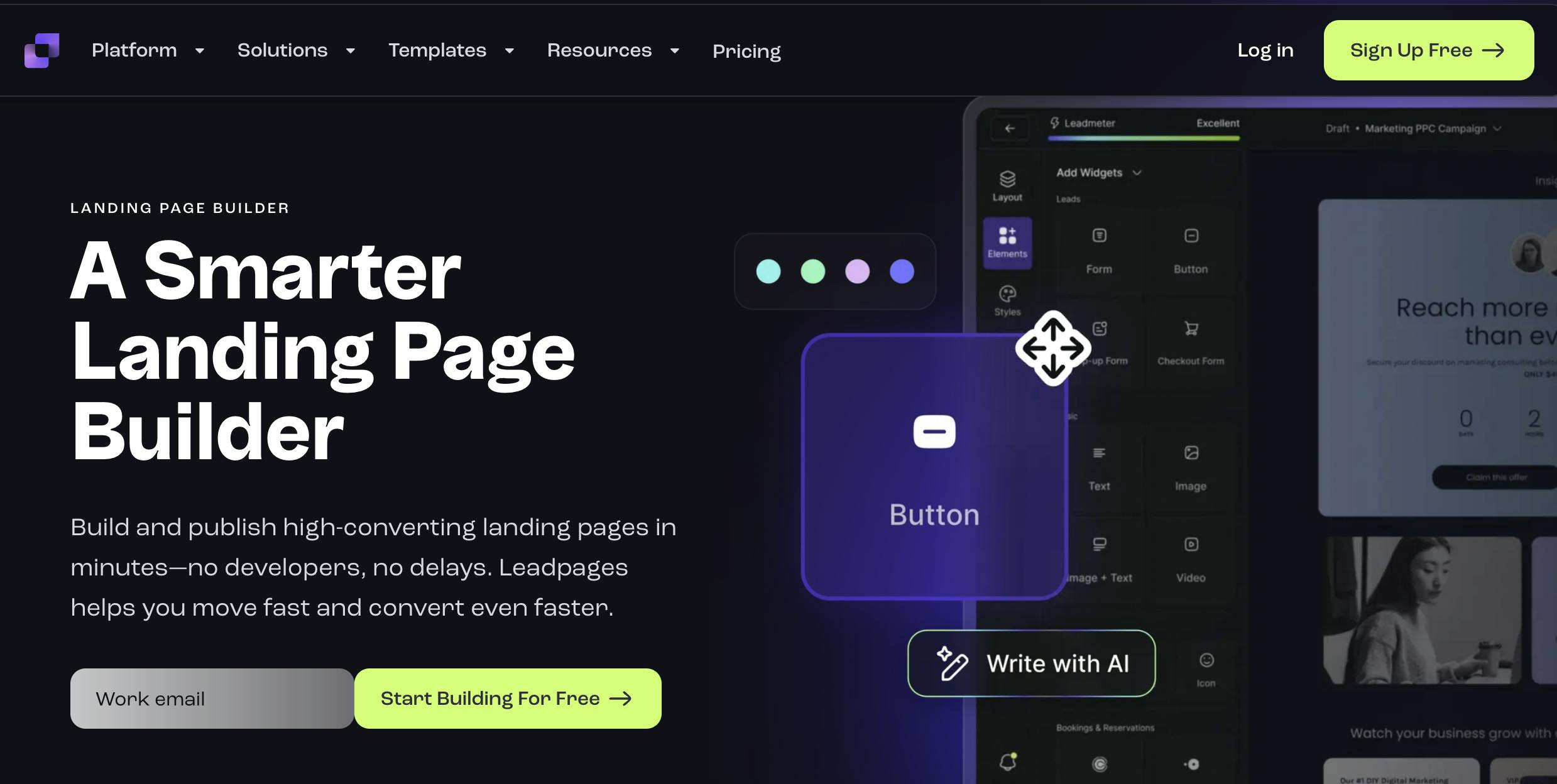
Leadpages targets small businesses with an affordable, template-driven approach to landing page creation. The platform emphasizes ease of use and quick deployment.
It includes basic lead generation features and integrations with common marketing tools. The personalization capabilities are minimal, but the low price point makes it accessible for teams with tight budgets.
Key features: Large template library, built-in payment processing, lead magnet delivery, email integration, unlimited landing pages on higher tiers
Where it beats LandingRabbit: Lower price point for budget-conscious teams, built-in payment processing for ecommerce use cases, larger template library for various industries
Where LandingRabbit is better: Purpose-built for ABM with personalization features, better workflow for creating account-specific variations, integrates with ABM data sources
Pricing: Tiered SaaS starting around $37/month
Best for: Small marketing teams testing ABM tactics without significant tool investment
7. HubSpot CMS Hub
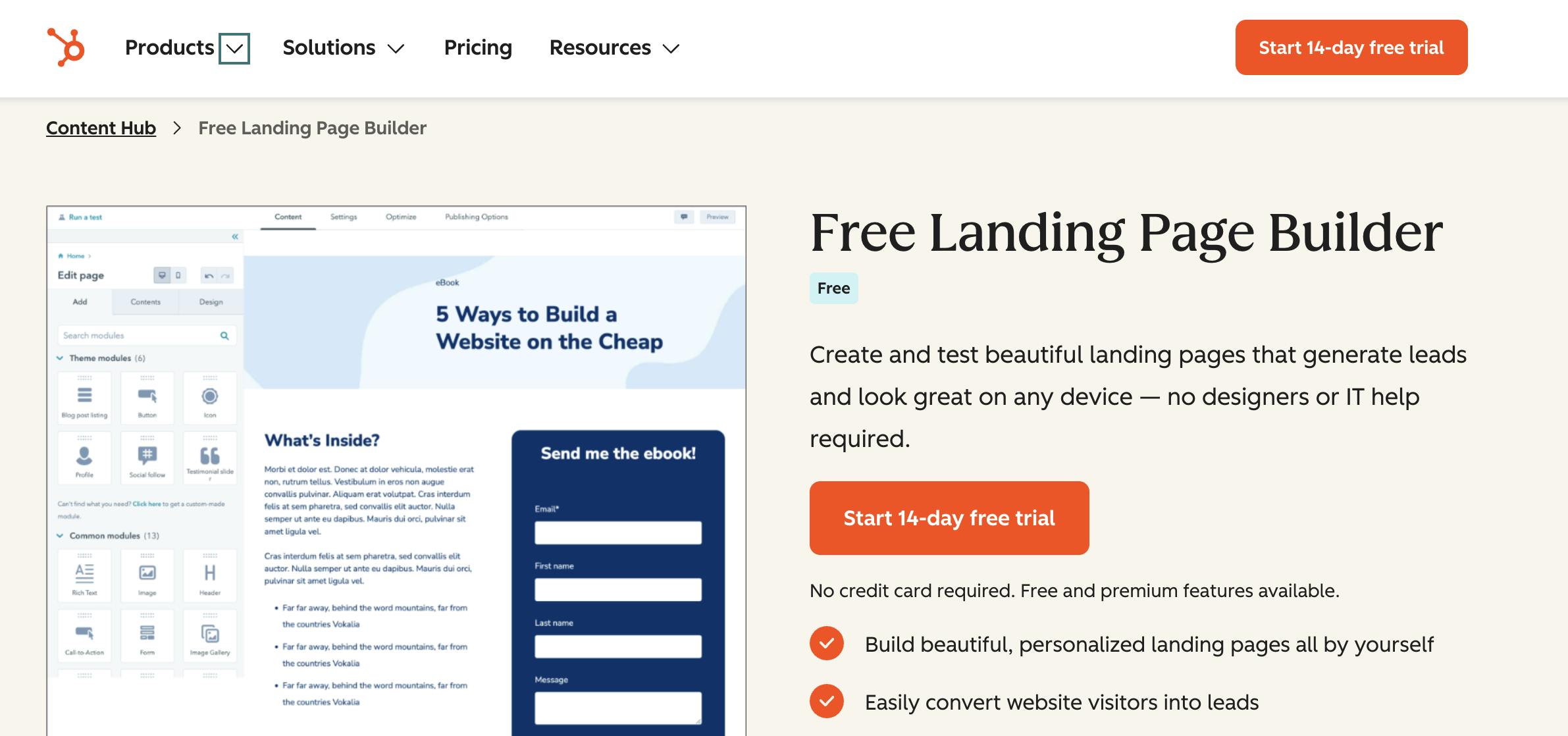
HubSpot CMS Hub is a natural choice for teams already using HubSpot's CRM. It offers "smart content" that displays different content to visitors based on CRM data like list membership, lifecycle stage, or company properties.
The tight CRM integration means your landing pages automatically pull from centralized contact and company data. However, the platform is built for general web content management rather than specifically for ABM landing page generation at scale.
Key features: CRM-native personalization, smart content, integrated ecosystem, form and CTA personalization, drag-and-drop page editor
Where it beats LandingRabbit: Seamless integration if you're already in HubSpot ecosystem, unified data across CRM and landing pages, no need to export/import account data
Where LandingRabbit is better: Better for generating hundreds of variations from one template, more focused ABM workflow, works across any tech stack without CRM lock-in
Pricing: Tiered SaaS subscription starting around $360/month
Best for: Teams already invested in HubSpot who want to leverage existing CRM data
8. Landingi
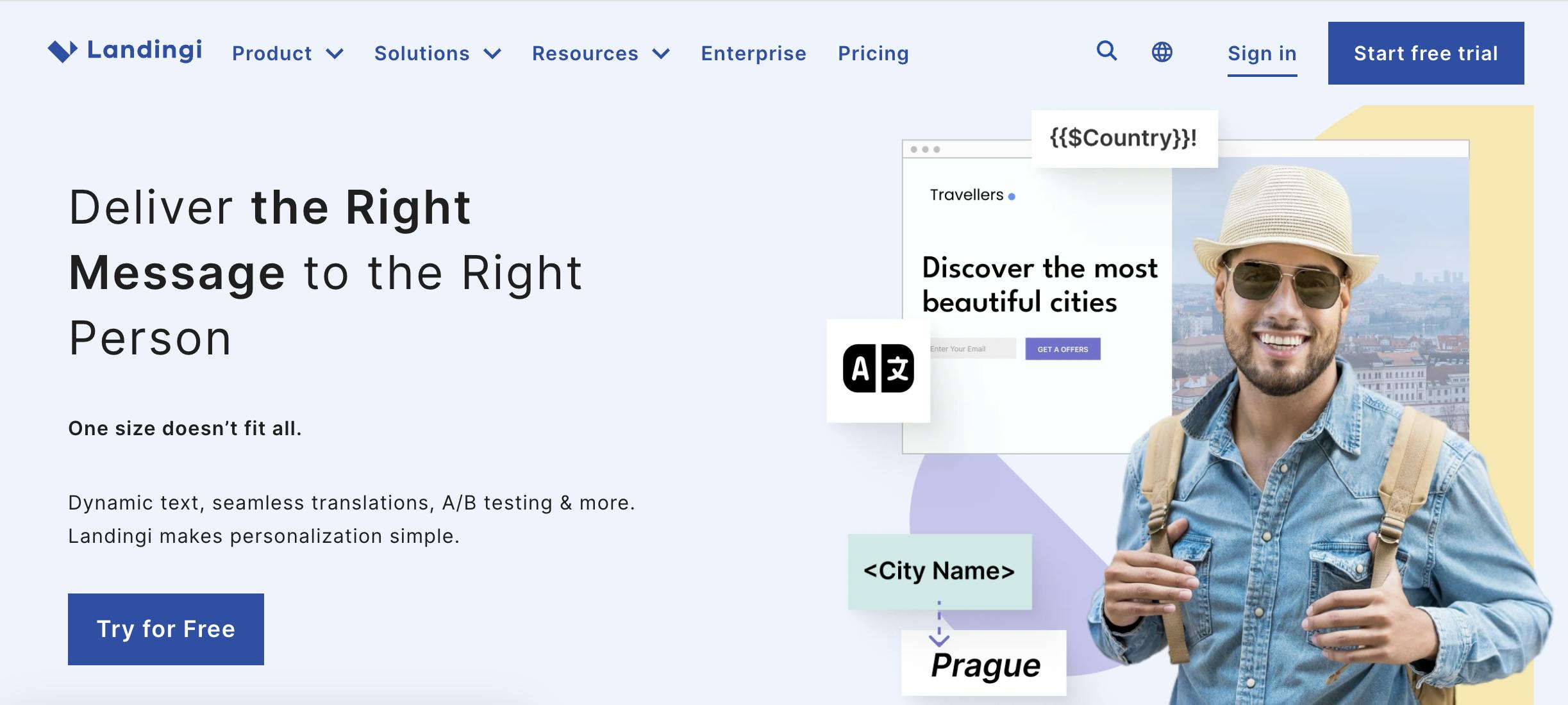
Landingi is a European-focused landing page builder with strong GDPR compliance features and localization support. The platform offers a drag-and-drop editor with a solid template library.
It includes EventTracker for detailed visitor analytics and integrates with popular marketing automation tools. The personalization features are basic but functional for smaller-scale campaigns.
Key features: GDPR-compliant infrastructure, multi-language support, EventTracker analytics, European data centers, 400+ integrations
Where it beats LandingRabbit: Stronger GDPR compliance for European companies, better multi-language support for international campaigns, European data hosting
Where LandingRabbit is better: Built specifically for ABM personalization, better workflow for scaling page variations, more sophisticated account-based targeting
Pricing: Tiered SaaS starting around $29/month
Best for: European teams needing strong data privacy compliance and localization features
How to Choose the Right ABM Landing Page Tool
The right tool depends on your specific situation and constraints. Here's a practical decision framework:
If you need to generate 50+ personalized pages per campaign: Consider Prismic for purpose-built workflows that let marketing teams create variations at scale without dev dependencies.
If you want to personalize your existing website: Consider Mutiny for AI-powered personalization across your entire web presence rather than standalone pages.
If you're a product-led company: Consider UserLed for the combination of account identification and personalized pages tied to product usage.
If you're running smaller campaigns (10-30 accounts): Consider Unbounce or Instapage for user-friendly builders where creating pages individually is manageable.
If you're already invested in HubSpot: Consider HubSpot CMS Hub to leverage your existing CRM data for smart content personalization.
If budget is the primary constraint: Consider Leadpages for affordable options that cover the basics.
If you need GDPR compliance and European hosting: Consider Landingi for strong data privacy features and multi-language support.
When evaluating vendors, ask about integration capabilities with your existing tools, onboarding timelines, how the platform handles updates across multiple page variations, and whether marketing can operate independently or requires ongoing dev support.
Why Prismic Stands Out for ABM Landing Page Generation
For teams specifically focused on scaling ABM landing page production, Prismic's approach addresses the core workflow challenge: how do you create hundreds of personalized pages without proportionally increasing time and effort?
The platform was built around the "one template, hundreds of variations" model. You define a single base page, upload your account data, and the system generates personalized variations that adapt messaging, proof points, and CTAs based on each account's context.
What differentiates Prismic from basic page builders is the depth of personalization combined with marketing ownership. The system doesn't just swap company names into placeholders—it adapts the narrative based on industry, company size, pain points, and other firmographic data you provide. And marketing teams can manage the entire process without waiting on developers.
The batch approval workflow matters when you're generating 50, 100, or 200 pages at once. You can review variations in organized groups, make edits to the base template that cascade across all pages, and maintain brand consistency at scale.
Compared to LandingRabbit, Prismic offers more sophisticated content adaptation and stronger governance for teams managing large volumes of pages. The platform was built by a company with deep content management expertise, which shows in the maturity of the editing, review, and approval workflows.
For teams that need landing page generation to keep pace with their outreach velocity, Prismic offers the most direct path to scalable ABM personalization without adding headcount or dev dependencies.
Want to see how Prismic's hyper-personalized landing pages work in practice?
👋 Prismic’s landing page builder is designed for teams scaling one-to-one ABM and ads without increasing production overhead.
FAQs About LandingRabbit Alternatives
You might also like...